Choosing the right wood species for your flooring
Wood floor fitting is a great investment and if you are planning such a project, you need to consider the best wood species to suit your needs and desires.
A wood floor installation is a genuinely worthwhile project to invest in. Wooden floors are popular for their durability, hard-wearing nature, and long lifespan. Wood is also naturally hygienic and doesn't attract dust and dirt the way many other flooring materials do. Keeping it in great condition is straightforward too — a simple, regular cleaning routine plus the occasional professional treatment, like floor sanding and refinishing every few years, is usually all it takes. On top of all that, wooden floors bring a natural warmth, cosiness, and elegance into a space that's genuinely hard to replicate with any other material. There's a lot to like about wood flooring, and a proper installation is one home improvement that consistently pays for itself.
If you want to transform a room, or the entire feel of your home, installing real wood flooring is one of the most effective ways to do it. A new hardwood floor adds real value to a home or workplace, brings a distinctive and elegant style, and delivers genuine day-to-day comfort and function. Nearly all wood species look good and hold their value well — but some fit a given lifestyle, room, or aesthetic considerably better than others, so working out the right species for your specific needs before the fitting project starts is a step worth taking seriously. Choosing well can feel daunting without some guidance, so here are the factors that actually matter, along with the practical detail that's often left out of "just pick what you like" advice.
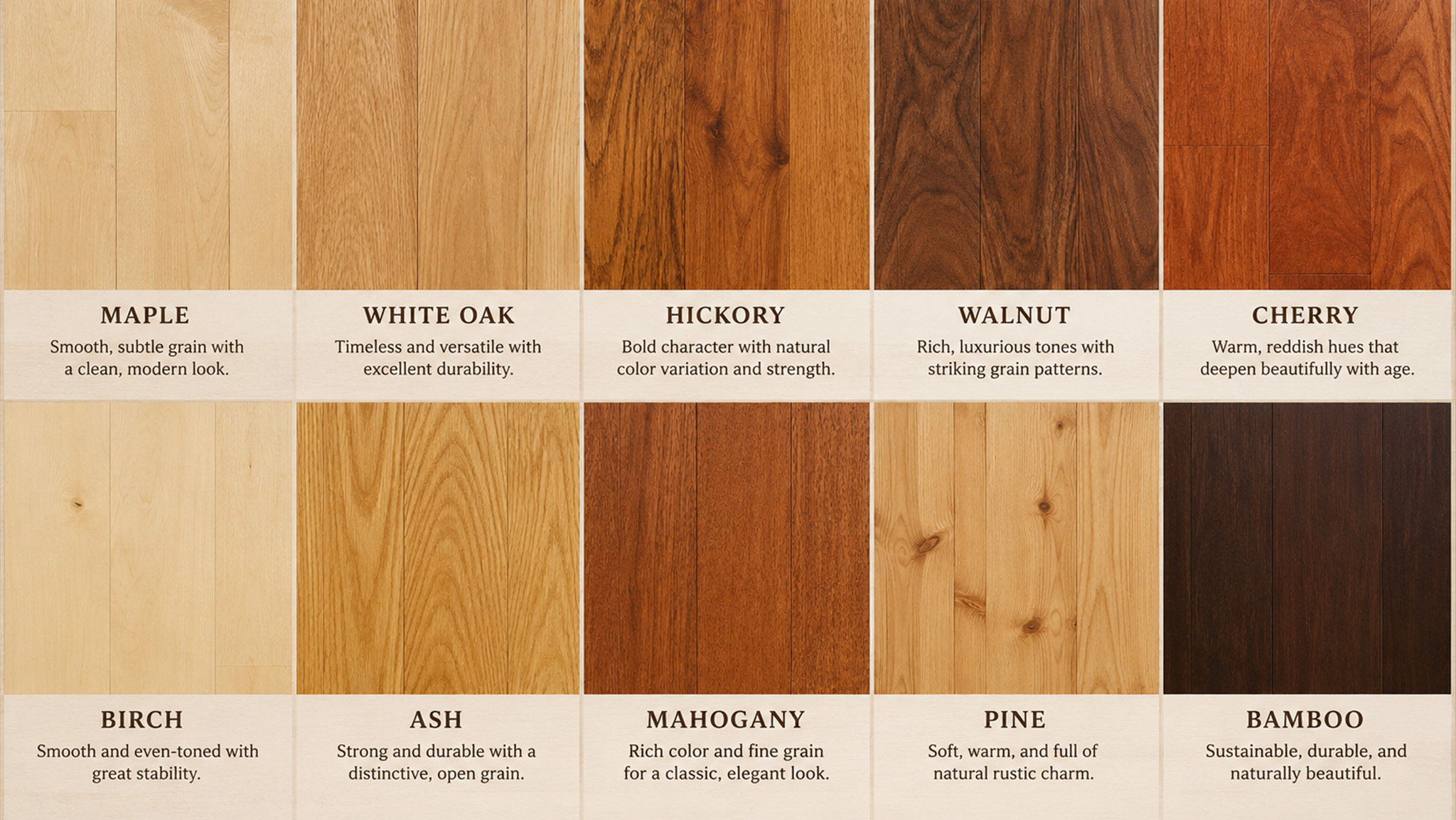
Today's wood flooring market offers an enormous range of species. Depending on your lifestyle, needs, and personal taste, there's very likely something that fits exactly what you're after — from domestic species like ash, cherry, beech, and birch, through to harder-wearing exotics like jarrah, jatoba, and merbau, and old reliables like oak and maple. Before committing, it's worth working through a handful of practical questions that will narrow the field down to the options genuinely worth considering.
What is your budget?
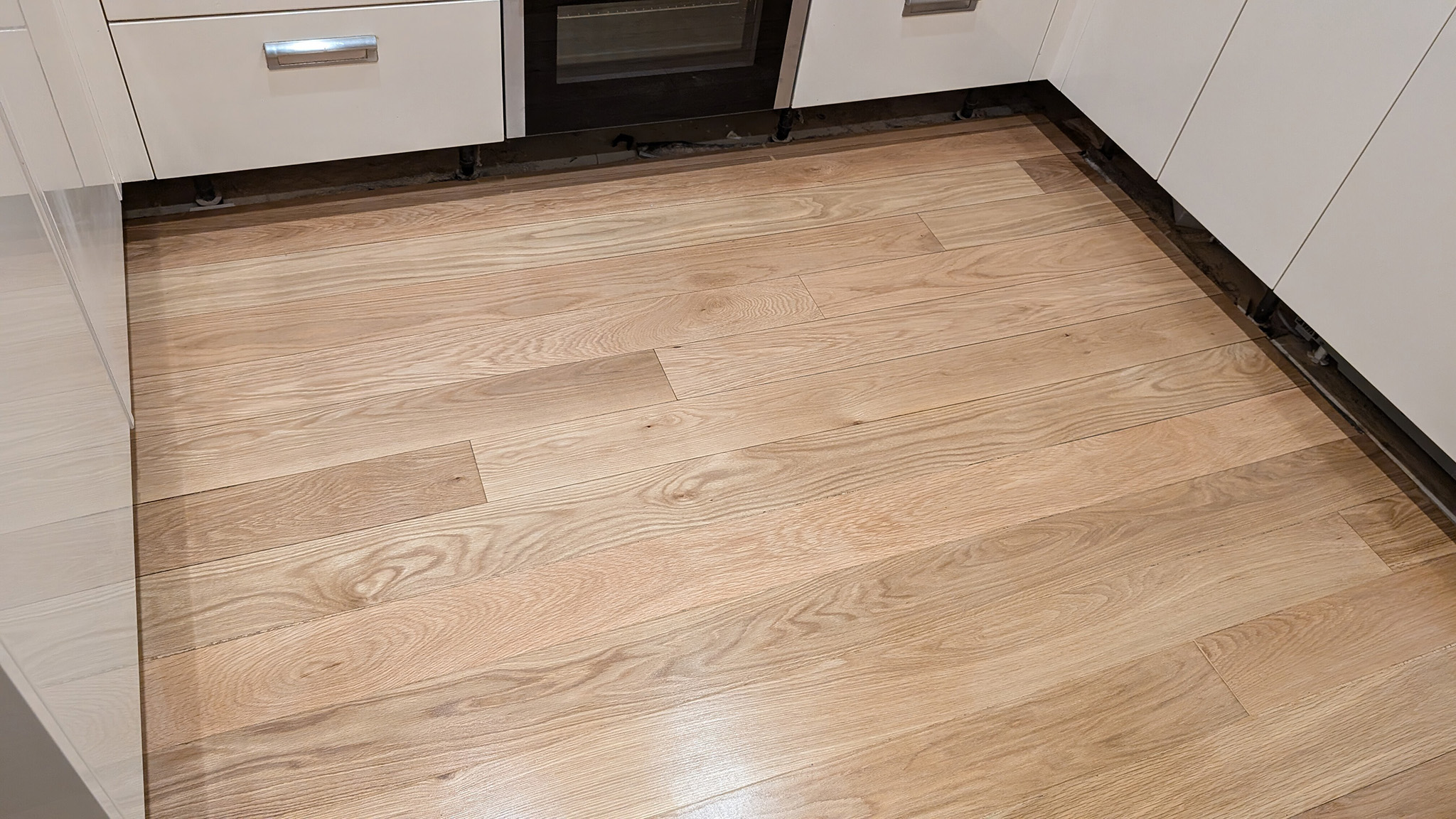
Budget is one of the first and most important questions to settle before buying a wooden floor and planning the fitting project. Being realistic about the full cost — not just the boards themselves, but underlay, fitting labour, skirting adjustments, and any finishing work — makes it far easier to compare species on a like-for-like basis. Some species carry a significant premium over others; more widely available options like oak, ash, beech, and birch tend to sit at a more accessible price point, while sought-after exotics like walnut, wenge, or reclaimed heart pine can run considerably higher, largely due to import costs, scarcity, and denser, slower-growing timber. Spending a fortune isn't a requirement for a beautiful, high-quality floor; the goal is getting the best value for your money, and that doesn't always mean reaching for the most expensive species on the price list. Oak in particular offers an excellent balance of hardness, colour versatility, and price, which is a large part of why it remains the most fitted species in UK homes by a wide margin.
What about the room?
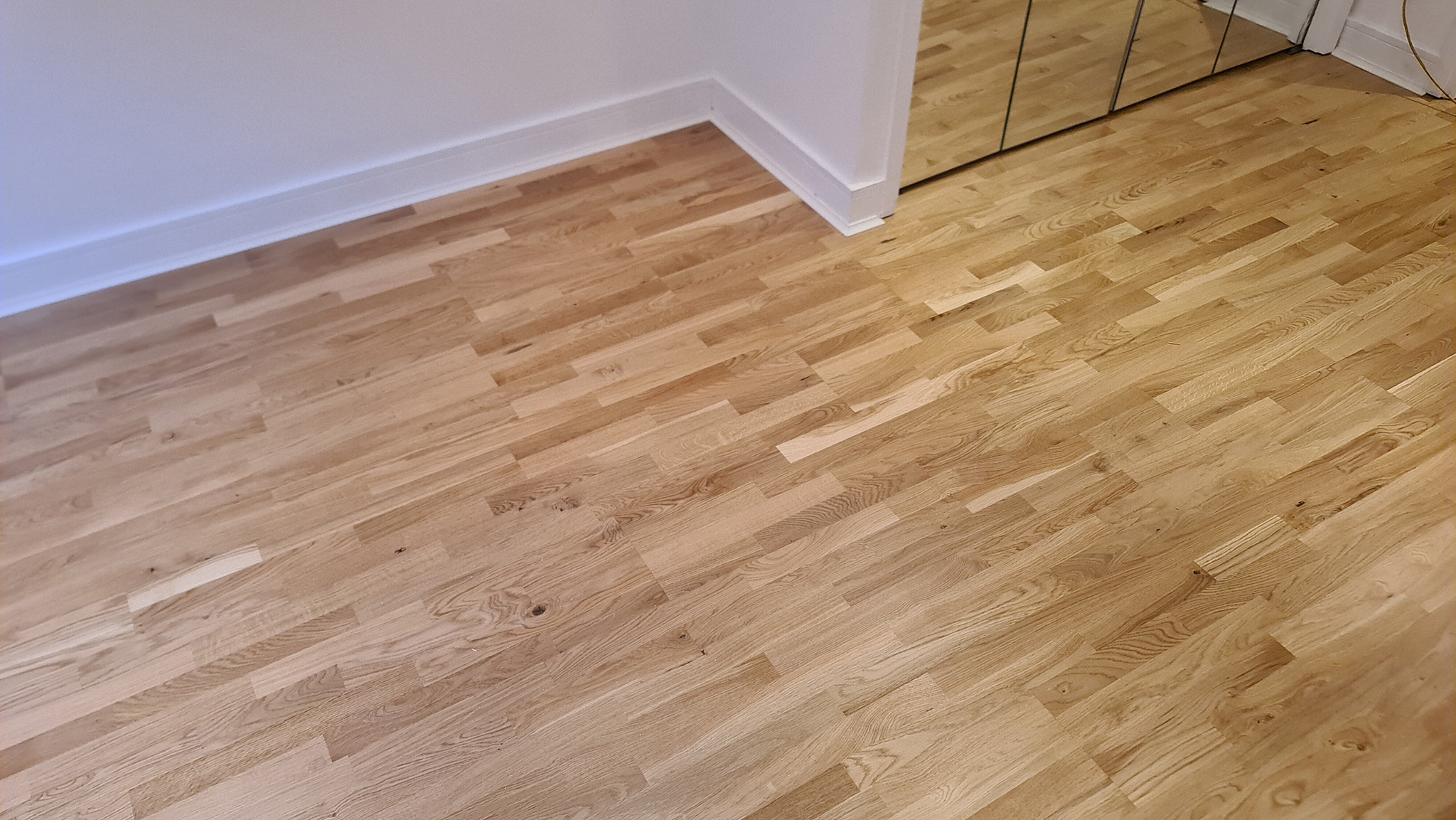
The room where the flooring is going matters just as much as the species itself. Different woods have different hardness, density, and moisture tolerance, and the right choice depends heavily on how that specific room is actually used.
Traffic and wear. In higher-traffic areas — hallways, kitchens, living rooms with pets or young children — a harder, denser species will visibly outlast a softer one. The Janka hardness scale is the standard way to compare this: European oak sits around 1000–1290 lbf depending on origin, while species like jatoba (about 2350 lbf) or merbau (around 1710 lbf) are substantially harder and more resistant to dents and scuffs from furniture legs, dropped items, or claws. Softer species such as pine (around 380–870 lbf depending on type) or Douglas fir look lovely but show wear far more readily, and are generally better suited to lower-traffic bedrooms or occasional-use rooms rather than a busy family kitchen.
Moisture exposure. Rooms with higher humidity or temperature swings — kitchens, conservatories, rooms near external doors — put more stress on timber, since wood naturally expands and contracts with moisture. Denser, more dimensionally stable species (oak, jatoba, and other tropical hardwoods generally) cope better here than lighter, more porous woods. For genuinely wet areas like bathrooms, solid wood usually isn't recommended at all regardless of species — an engineered floor with a stable plywood core, or a different flooring type entirely, is the safer call.
Underfloor heating. If the room has, or might one day have, underfloor heating, this narrows the field further. Engineered boards generally cope far better with the heat cycling than solid wood, since their cross-layered core resists the expansion and contraction that causes solid boards to gap or cup over a heated subfloor. Oak is one of the more heating-tolerant solid species if you're set on solid wood regardless, but even then, manufacturer guidance on maximum surface temperature should be checked carefully before installation.
Appearance and atmosphere. Beyond durability, different species carry genuinely different visual character. Oak has a pronounced, appealing grain and a warm mid-tone that suits both traditional and contemporary interiors. Ash is paler and straighter-grained, giving a cleaner, more Scandinavian feel. Walnut brings a rich, dark chocolate tone with dramatic grain variation, well suited to a more formal or dramatic scheme. Maple is famously pale and tight-grained, giving a clean, almost seamless look that suits minimalist interiors, though its tight grain does mean any dents or scratches show up more starkly than on a busier-grained species like oak. Matching species to the mood you want for that specific room, not just the house as a whole, is worth doing room by room rather than picking one species for the whole property by default.
Room dimensions and board layout. Room size affects both colour and pattern choice. Smaller rooms tend to feel more open with naturally lighter-toned species (ash, maple, pale-washed oak) and simpler board layouts, since pale tones reflect more light and simple layouts avoid visually "busying up" a compact space. Larger, more open rooms can carry richer colours, bolder grain, and more elaborate layouts without feeling overwhelming. This is also where board composition and pattern come in: a detailed parquet pattern like herringbone or chevron reads beautifully in a generously sized room but can feel visually cramped and fussy in a small one, where a simple straight-plank layout in a wider board will generally look calmer and make the room feel larger.
Does the flooring match your pre-existing décor?
Laying new real wood flooring is a serious investment, and realistically, most of the budget for a project like this goes into the floor itself rather than an accompanying redecoration. If a full décor overhaul isn't on the cards right now, the safest route to a cohesive-looking result is choosing a species and finish that harmonises with what's already in the room — the existing colour scheme, wall tones, furniture finishes, and any fixed elements like kitchen units or staircases that won't be changing any time soon.
A few practical pointers here: warm-toned furniture (oak, walnut, cherry-finish pieces) generally sits more comfortably against a warm-toned floor like oak or cherry than against a cool grey-washed finish, which can create an unintentional colour clash. Conversely, contemporary interiors built around cooler greys, whites, and black accents often pair better with a lighter ash or a grey-stained oak than with a naturally warm, honey-toned species. If you're not planning to change the flooring again for a decade or more, it's also worth thinking a little beyond current trends — a very strongly on-trend colour (heavily white-washed or near-black, for instance) can date more quickly than a species left closer to its natural tone, which tends to age more gracefully alongside evolving furniture and paint choices over the years.


